Home Top Ad

Responsive Ads Here

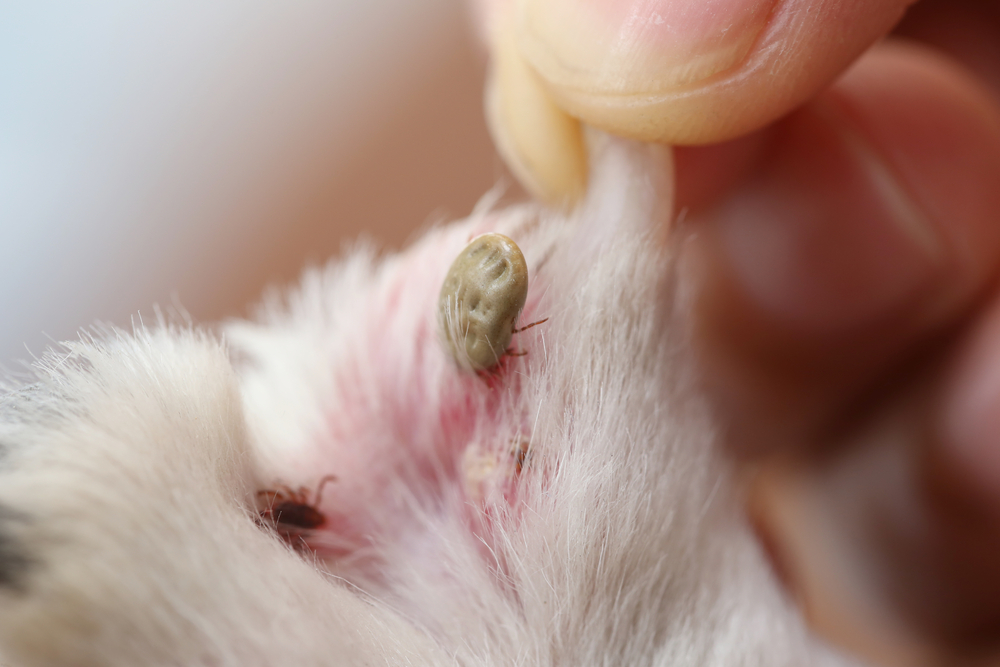
Fleas and ticks can cause significant harm to the well-being of our cherished pets, going well beyond the discomfort of constant itching. Un...

Fleas and ticks can cause significant harm to the well-being of our cherished pets, going well beyond the discomfort of constant itching. Understanding the comprehensive impact of these pesky parasites on our furry companions is crucial in safeguarding their overall health and happiness. Through this article, we dive into the broader effects of fleas and ticks on pet health, shedding light on the hidden dangers that demand our attention and proactive measures.

The Hidden Dangers of Fleas and Ticks

Skin and Coat Irritation: While itching is the most apparent sign of flea and tick infestation, the relentless biting and feeding of these pests can cause severe irritation to a pet's skin and coat. Over time, this may lead to hair loss, skin sores, and secondary infections, leaving our pets in distress.

Anemia and Weakness: In cases of severe infestations, especially in young or small pets, fleas can consume significant amounts of blood, leading to anemia. Anemic pets may exhibit weakness, lethargy, and even fainting, impacting their overall vitality and quality of life.

Allergic Reactions: Some pets are hypersensitive to flea saliva, resulting in allergic reactions like Flea Allergy Dermatitis (FAD). FAD can cause intense itching, redness, and inflammation, exacerbating the discomfort and requiring prompt intervention.

Transmission of Diseases: Ticks, in particular, are notorious for transmitting a variety of diseases to both pets and humans. From Lyme disease to Rocky Mountain spotted fever, these illnesses can pose serious health risks to our four-legged friends, making tick prevention an utmost priority.

The Psychological Impact

Behavioral Changes: The constant irritation and discomfort caused by fleas and ticks can lead to behavioral changes in pets. They may become restless, irritable, or exhibit signs of anxiety due to their inability to find relief from the pests' incessant biting.

Weight Loss and Poor Nutrition: Prolonged flea infestations can cause pets to avoid eating or drinking, leading to weight loss and malnutrition. The debilitating effects of continuous blood loss may weaken their immune systems, making them susceptible to other health issues.

Zoonotic Concerns: Fleas and ticks can carry diseases that are transmissible to humans, such as certain types of bacteria and parasites. Keeping our pets free from these pests is not only essential for their health but also for safeguarding human health within the household.

Impact on Heartworm Prevention: Fleas and ticks can serve as vectors for heartworm larvae, making it even more crucial to maintain a comprehensive preventive regimen to protect pets from heartworm disease.

Conclusion

Fleas and ticks are more than just nuisances that cause itching they present serious threats to our pets' health and well-being. From skin irritation and allergic reactions to potential disease transmission, their impact can be far-reaching. To ensure our furry companions live happy and healthy lives, it's imperative to implement regular flea and tick prevention measures, conduct thorough pet checks, and seek immediate veterinary attention if infestations are detected. By staying vigilant and proactive, we can shield our pets from the adverse effects of these parasites and foster a life of comfort and vitality for our cherished companions.

When it comes to protecting our pets from the adverse effects of fleas and ticks, relying on professional services is crucial. MDK Services offers expert flea and tick control services, safeguarding both pets and households from the harmful effects of these tiny yet formidable foes. Remember, a healthy and happy pet starts with a pest-free home! For more details, contact +1325-658-3498.

Introduction Climate change is a global issue that is impacting various aspects of our environment, and one such impact can be seen in the ...

A man spraying mosquito killing gas standing middle of a lane
Introduction

Climate change is a global issue that is impacting various aspects of our environment, and one such impact can be seen in the population of mosquitoes. These tiny creatures are notorious for carrying diseases such as malaria, dengue fever, and Zika virus. With the changing climate, mosquito populations are not only increasing but also advancing into new territories. In this article, we will explore how climate change is affecting mosquito populations and what potential risks it poses to human health.

Climate Change and Temperature

One of the key factors influencing mosquito populations is temperature. Mosquitoes thrive in warm and humid conditions, and as the global temperatures continue to rise, their populations are expanding. Warmer temperatures accelerate the mosquito life cycle, leading to faster growth and reproduction rates. This means that more mosquitoes are hatching and surviving to adulthood than before.

Rainfall and Breeding Grounds

Another crucial element affected by climate change is rainfall patterns. Mosquitoes require stagnant water to lay their eggs and for their larvae to grow. Changing rainfall patterns can result in an increase in the availability of breeding grounds for mosquitoes. Heavy rainfall events may create more pools of stagnant water, providing ample breeding opportunities. Conversely, droughts can lead to water scarcity, forcing mosquitoes to seek alternative breeding sites, often in close proximity to human settlements.

Range Expansion

Climate change is also causing mosquitoes to expand their range. As temperatures rise in regions that were previously too cold for mosquitoes, these insects are now able to survive and reproduce in areas they could not before. This expansion into new territories can have dire consequences for human populations, who may have limited immunity to the diseases carried by these mosquitoes. It also poses challenges for healthcare systems and vector control efforts, as new areas must now be monitored and targeted for mosquito control.

Disease Transmission

The increase in mosquito populations due to climate change also heightens the risk of disease transmission. Mosquitoes are vectors for a variety of diseases, including malaria, dengue fever, and Zika virus. With more mosquitoes buzzing around, the chances of contracting these diseases from mosquito bites increase significantly. This poses a major public health concern, especially in vulnerable communities with limited access to healthcare and resources for disease prevention and control.

Adaptation and Mitigation Strategies

Given the significant impact of climate change on mosquito populations, it is crucial to implement effective strategies to mitigate these effects and protect human health. Here are a few measures that can help:

Mosquito control programs: Implementing targeted mosquito control strategies, such as larval source reduction and insecticide treatments, can help reduce mosquito populations and limit disease transmission.

Community awareness and education: Educating communities about mosquito-borne diseases, their prevention, and symptoms can empower individuals to protect themselves and their families. This can include simple measures such as using mosquito nets, wearing protective clothing, and eliminating breeding sites around their homes.

Improved healthcare infrastructure: Strengthening healthcare infrastructure in vulnerable regions can help diagnose and treat mosquito-borne diseases effectively. This includes access to diagnostic tests, medications, and trained healthcare professionals.

Climate change adaptation: Developing and implementing climate change adaptation strategies can help minimize the impacts of rising temperatures and changing rainfall patterns. This can involve measures such as water management, urban planning, and promoting sustainable practices that reduce the breeding sites for mosquitoes.

Conclusion

Climate change is not only altering our environment but also impacting the population dynamics of mosquitoes. Increased temperatures, changing rainfall patterns, and range expansions are all contributing to larger mosquito populations and an increased risk of disease transmission. It is vital that we take proactive measures to mitigate these effects, including mosquito control programs, community education, and climate change adaptation strategies. By addressing the impacts of climate change on mosquito populations, we can work towards safeguarding human health and protecting communities from the diseases carried by these tiny, yet formidable, insects.

Looking for reliable and effective mosquito control services? Look no further than MDK Services! Their team of experts is equipped with the latest tools and techniques to help you combat the impact of climate change on mosquito populations. They offer targeted mosquito control strategies, such as larval source reduction and insecticide treatments, to help reduce mosquito populations and limit disease transmission.

Contact them today at +1 325-658-3498 to learn more about their services and how they can help you safeguard your health and protect your community from the diseases carried by these tiny, yet formidable, insects.

If you’ve ever had a close encounter with a snake in your yard, you know how unsettling it can be. Snakes are an important part of the ecosy...

If you’ve ever had a close encounter with a snake in your yard, you know how unsettling it can be. Snakes are an important part of the ecosystem, but their presence around your home can be concerning. This guide will help you understand how to spot a snake in your yard, the signs and symptoms to watch for, and how wildlife control and wildlife control services can help keep your property safe.

Signs of Snakes in Your Yard

Understanding the signs of snake activity is the first step in identifying their presence. Here are some key indicators:

Shedding Skins

Snakes shed their skins as they grow. Finding these translucent, papery skins around your yard is a clear sign that a snake has been nearby. Look for them in areas with tall grass, bushes, or under debris.

Tracks and Trails

Snakes leave distinct tracks in dusty or muddy areas. These tracks often look like a continuous line with side-to-side patterns where the snake’s body has moved. Check garden beds, sandy patches, and along fences for these trails.

Snake Holes

Many snakes seek shelter in burrows or under objects. If you notice small holes or burrows in your yard, particularly near rocks or logs, it could indicate snake activity. Be cautious when inspecting these areas.

Droppings

Snake droppings are dark and have a characteristic white urea cap, resembling bird droppings but slightly larger. Finding these droppings in your yard can be a strong indicator of snake presence.

Symptoms of a Snake Infestation

Beyond physical signs, certain symptoms might suggest a snake infestation:

Increased Rodent Activity

Snakes often follow their prey, which includes rodents. If you notice an increase in rodent activity around your yard, it might attract snakes. Keeping rodent populations in check can help deter snakes.

Unusual Pet Behavior

Pets, especially dogs and cats, can sense snakes before you do. If your pets are behaving unusually, such as barking at a specific spot or avoiding certain areas, it might be due to a snake.

Bite Marks on Pets

If your pets come home with unexplained bite marks, especially puncture wounds, it’s crucial to seek veterinary care immediately. These wounds could be from a snake encounter.

Solutions for Snake Problems

When it comes to addressing snake problems, wildlife control, and wildlife control services are your best bet. Here’s how you can tackle the issue:

DIY Wildlife Control Methods

  1. Maintain Your Yard: Keep your grass trimmed, remove debris, and clear out any potential hiding spots to make your yard less attractive to snakes.
  2. Seal Entry Points: Inspect your home for gaps, holes, or cracks where snakes might enter. Seal these openings to prevent snakes from coming inside.
  3. Use Snake Repellents: There are various commercial snake repellents available that can be applied around your yard’s perimeter to deter snakes.

Professional Wildlife Control Services

Hiring professional wildlife control services offers several advantages:

  1. Expert Assessment: Professionals can identify snake species and assess the extent of the infestation.
  2. Safe Removal: Wildlife control experts use humane and effective methods to remove snakes safely from your property.
  3. Preventive Measures: They can provide advice and solutions to prevent future infestations, such as habitat modification and exclusion techniques.

When to Call Wildlife Control Services

If you’re unsure about the type of snake or feel uncomfortable dealing with them, it’s best to call wildlife control services. They have the knowledge and tools to handle snakes safely and efficiently.

Conclusion

Spotting a snake in your yard can be alarming, but knowing the signs, symptoms, and solutions can help you manage the situation effectively. Regular yard maintenance, understanding snake behavior, and using wildlife control services are key to keeping your property safe. If you encounter a snake and feel uncertain, don’t hesitate to reach out to professional wildlife control experts who can provide the necessary assistance.

At MDK Services, they pride themselves on offering top-notch wildlife control services to keep your home and business safe and secure. Their team of experienced professionals is dedicated to humanely and efficiently handling any wildlife issues you may encounter. Whether you're dealing with raccoons, squirrels, bats, or any other unwelcome critters, they have the expertise to resolve the problem swiftly and effectively. Don't let wildlife disrupt your peace of mind—contact them today! Reach them at +1(325)-658-3498 or visit them at 1001 Cricket Ln, San Angelo, TX 76905 for prompt and reliable service. Your safety is their priority at MDK Services!

Roaches are more than just an unsightly nuisance; they can pose serious health risks and compromise the cleanliness of your home. Hence, pro...

A pest control service employee showing stop sign

Roaches are more than just an unsightly nuisance; they can pose serious health risks and compromise the cleanliness of your home. Hence, proper Roach Control is crucial. While many might be tempted to tackle this issue on their own, hiring professional Roach Control Services is often the most effective route. However, not all services are created equal, and making mistakes in hiring can lead to wasted money and persistent infestations. Here’s a comprehensive guide to help you avoid common pitfalls when hiring Roach Control Services.

Understanding Roach Control

What is Roach Control?

Roach Control involves various strategies and techniques designed to eliminate or manage roach populations within residential or commercial spaces. These methods can range from chemical treatments to more natural approaches, depending on the severity of the infestation and the preferences of the homeowner.

Common Methods Used in Roach Control

  1. Chemical Sprays: These are often used to kill roaches on contact and provide a residual effect to prevent future infestations.
  2. Bait Stations: Effective for attracting and poisoning roaches, leading them to carry the poison back to their nests.
  3. Traps: Used to monitor roach activity and reduce their population.
  4. Natural Remedies: Includes using substances like boric acid, diatomaceous earth, and essential oils.

Why Hiring Professional Roach Control Services is Essential

DIY vs. Professional Services

While DIY methods can sometimes manage minor infestations, they often fall short with more severe problems. Professional Roach Control Services have access to stronger, more effective treatments and the expertise to apply them safely and efficiently.

Benefits of Professional Roach Control Services

  • Expert Knowledge: Professionals understand roach behavior and the most effective methods to eliminate them.
  • Safety: They use regulated products safely, ensuring no harm to humans or pets.
  • Efficiency: Professionals can quickly assess and address the extent of an infestation.
  • Long-term Solutions: They provide solutions that not only deal with current problems but also prevent future infestations.

Common Mistakes When Hiring Roach Control Services

  • Ignoring Credentials and Certifications

One of the biggest mistakes is not verifying the credentials of a Roach Control company. Ensure they are licensed and certified by relevant authorities. This guarantees that they adhere to industry standards and regulations.

  • Choosing Based on Price Alone

While it's essential to consider your budget, selecting a service solely based on the lowest price can be detrimental. Often, cheaper services may cut corners or use less effective methods. It’s crucial to balance cost with the quality of service.

  • Not Asking About the Methods Used

Different companies may use various methods for Roach Control. Failing to ask about these methods can lead to dissatisfaction with the service. Ensure you understand and are comfortable with the treatment methods proposed.

  • Overlooking Reviews and Testimonials

Customer feedback is invaluable. Not checking reviews and testimonials can result in hiring a subpar service. Look for consistent positive feedback and any red flags in the reviews.

  • Failing to Understand the Contract Terms

Always read the fine print. Understanding the contract terms, including guarantees, follow-up treatments, and any additional costs, is crucial to avoid misunderstandings.

  • Not Inquiring About Follow-Up Services

Effective Roach Control often requires follow-up treatments. Make sure the service includes follow-ups and understand the frequency and cost of these additional services.

  • Neglecting to Check for Insurance

Ensure that the company has adequate insurance coverage. This protects you from liability in case of accidental damage or injury during the treatment process.

How to Choose the Right Roach Control Services

  • Research and Recommendations

Start by researching different companies and asking for recommendations from friends and family. Personal experiences can provide trustworthy insights.

  • Checking Credentials and Certifications

Verify that the company is licensed and certified. This is a basic yet crucial step to ensure you are dealing with professionals.

  • Understanding the Service Methods

Ask about the methods they use and why they prefer them. This shows their expertise and helps you understand what to expect.

  • Reviewing Testimonials and Feedback

Look for reviews on multiple platforms. Consistent positive feedback is a good indicator of reliable service.

Conclusion

Hiring professional Roach Control Services can be the most effective way to manage and eliminate roach infestations. However, it’s essential to avoid common mistakes like ignoring credentials, choosing based on price alone, and not understanding the service methods. By conducting thorough research and asking the right questions, you can ensure you select a reputable service that will provide effective and long-lasting results.

Looking for reliable Roach Control Services? Look no further than MDK Services! they have experience in providing top-notch pest control solutions, they are your trusted partner in eliminating roach infestations quickly and effectively. Their expert team uses state-of-the-art techniques to ensure your home or business is roach-free. Don't let roaches compromise your comfort and health. Contact them today at +1(325)-658-3498 or visit them at 1001 Cricket Ln, San Angelo, TX 76905. Let MDK Services restore your peace of mind with their professional Roach Control Services!

Introduction When you think of pests, your mind probably drifts to dark basements or cluttered ground floors. However, pest problems aren...

Bottom view of a office building

Introduction

When you think of pests, your mind probably drifts to dark basements or cluttered ground floors. However, pest problems aren't confined to the lower levels. In fact, commercial buildings on higher floors can also face significant pest issues. It's a common misconception that being higher up means being free from pests. So, why does elevation not equate to elimination?

Understanding Commercial Pest Services Behavior

To tackle this question, we need to understand how pests behave. In commercial buildings, pests can come in all shapes and sizes, from rodents and cockroaches to birds and ants. Despite the height, these creatures find their way up to higher floors, drawn by various attractants and enabled by specific structural conditions.

Factors Contributing to Pest Presence on Commercial Higher Floors

  • Structural Vulnerabilities

Buildings, especially large commercial ones, have numerous entry points. Cracks in walls, gaps in windows, and even HVAC systems can provide easy access for pests. These tiny openings serve as highways for small critters to invade upper floors.

  • Human Activities and Habits

Human behavior plays a significant role in pest problems. Leaving food out, improper waste disposal, and cluttered storage areas are common in office spaces and can attract pests. The higher floors are not immune to these habits, making them just as susceptible.

  • Environmental Factors

Environmental factors like the building's location, nearby vegetation, and weather conditions can also influence pest presence. For example, tall buildings in urban areas can attract pigeons, while those near parks might deal with insects like ants or spiders.

Common Pests Found on Higher Floors

  • Rodents

Rodents, particularly mice, are excellent climbers and can easily scale walls and pipes. They are persistent in their search for food and shelter, making their presence known even on the highest floors.

  • Insects  
            => Cockroaches 
Cockroaches are notorious for their resilience. They can survive in almost any environment and are adept at finding food and water sources, even in high-rise buildings.

            => Ants

Ant colonies are incredibly organized and can build nests in various parts of a building. They often travel through electrical wiring and plumbing to reach higher floors. 

            => Bed Bugs

Bed bugs are expert hitchhikers. They can easily move through furniture, luggage, and even through walls, spreading quickly from one floor to another. 

            => Birds

Birds like pigeons can become a nuisance in high-rise buildings. They often perch on ledges and can cause significant damage with their droppings and nesting materials.

Why Elevation Doesn't Mean Elimination?

  • Case Studies of Pest Infestations on Higher Floors

There are numerous instances where pests have made their way to the upper levels of buildings. For example, a well-known office building in New York had a severe rodent problem on its 30th floor. Despite the height, the rodents found food sources and nesting areas, leading to a significant infestation.

  • Analysis of Pest Migration Patterns

Pests are incredibly resourceful. They can migrate through plumbing systems, elevator shafts, and even via human movement. This ability to move vertically and horizontally within buildings explains why higher floors are not immune to pest problems.

Preventive Measures for High-Rise Commercial Pest Control Services

  • Regular Inspections and Maintenance

Consistent inspections are crucial. Regularly checking for signs of pests can help catch infestations early, preventing them from spreading.

  • Proper Waste Management

Effective waste management is essential. Ensuring that trash is properly sealed and disposed of can significantly reduce the attractiveness of higher floors to pests.

  • Sealing Entry Points

Sealing cracks, gaps, and other potential entry points can help keep pests out. This includes maintaining window screens and ensuring doors are properly sealed.

Technological Solutions in High-Rise Pest Control

  • Advanced Monitoring Systems

Modern technology offers sophisticated monitoring systems that can detect pest activity early. These systems use sensors and data analytics to track and predict pest behavior.

  • Eco-Friendly Pest Control Methods

Eco-friendly methods, such as using natural predators or organic pesticides, can be effective in controlling pests without harming the environment.

Role of Professional Commercial Pest Control Services

  • Expertise and Experience

Professional pest control services bring a wealth of knowledge and experience. They can identify the specific needs of a high-rise building and implement effective solutions.

  • Customized Pest Control Plans

These services offer customized plans tailored to the unique challenges of high-rise buildings, ensuring that all potential entry points and nesting areas are addressed.

Importance of Regular Pest Control Audits

  • Early Detection and Intervention

Regular audits help in early detection of pest problems, allowing for swift intervention before the situation escalates.

  • Long-Term Cost Benefits

Investing in regular pest control can save money in the long run by preventing extensive damage and costly repairs.

Sustainability in High-Rise Pest Control

  • Eco-Friendly Practices

Adopting eco-friendly practices, such as using biological control agents, can reduce the environmental impact of pest control.

  • Benefits of Sustainable Pest Management

Sustainable pest management not only helps the environment but also ensures long-term efficacy and safety for building occupants.

Conclusion

Commercial Pest control on higher floors of commercial buildings is a complex but essential task. Elevation does not equate to elimination; pests can and do infiltrate high-rise buildings. Understanding pest behavior, implementing preventive measures, and utilizing professional pest control services are key to maintaining a pest-free environment.

At MDK Services, they understand that living on higher floors doesn't make you immune to pest invasions. Their specialized service Commercial Pest Services in TX, is designed to tackle pest problems no matter how high up you reside. They use cutting-edge techniques and eco-friendly solutions to ensure your living spaces are pest-free, providing you with peace of mind. Reach out to them today at +1(325)-658-3498 or visit them at 1001 Cricket Ln, San Angelo, TX 76905 to schedule your consultation. Let MDK Services elevate your pest control experience to new heights!

Fleas are a common nuisance for pets and their owners. These tiny parasites are not only a source of irritation but can also carry diseases....


Fleas are a common nuisance for pets and their owners. These tiny parasites are not only a source of irritation but can also carry diseases. One of the most intriguing aspects of flea behavior is their attraction to certain animals. This attraction is often linked to the animal’s odor. Understanding this connection can help in developing effective flea and tick control strategies.

Understanding Fleas and Their Attraction to Animal Odor

Fleas are equipped with an acute sense of smell that helps them locate their hosts. Animal odors play a significant role in this process. The scent emitted by an animal can vary based on several factors, including the species, diet, and overall health of the pet. This odor acts as a signal to fleas, guiding them to their next meal.

The specific chemicals in animal odors that attract fleas are still being studied, but it's clear that the natural oils and pheromones produced by the skin are significant attractants. For effective flea and tick control, it’s essential to address these factors, ensuring that the pet’s environment and hygiene are managed properly.

Effective Flea and Tick Control Measures

To manage and reduce flea infestations, understanding the connection between animal odor and flea attraction is crucial. Here are some effective flea and tick control measures that can help:

  1. Regular Bathing: Regular bathing of pets helps remove excess oils and dirt that can attract fleas. Using a flea-specific shampoo can enhance this effect.
  2. Diet: A healthy diet improves a pet's skin health, reducing the likelihood of excessive oil production that attracts fleas. Including omega-3 and omega-6 fatty acids can be particularly beneficial.
  3. Environment Cleanliness: Keeping the pet's environment clean is critical. Regular vacuuming and washing of bedding can remove flea eggs and larvae, reducing the overall flea population.
  4. Flea Treatments: Using veterinarian-recommended flea treatments and preventatives can provide effective flea and tick control. These treatments can repel fleas and kill any that come into contact with the pet.

Advanced Flea and Tick Control Techniques

In addition to basic hygiene and preventative measures, advanced flea and tick control techniques can further protect pets from these pests.

  • Topical Treatments: These are applied directly to the pet’s skin and can provide long-lasting protection against fleas. They work by spreading through the natural oils of the skin, effectively repelling and killing fleas.
  • Oral Medications: Oral medications are ingested by the pet and work from within. They can be an excellent option for pets that are sensitive to topical treatments.
  • Environmental Insecticides: Using insecticides in the home and yard can help control the flea population. It's important to choose products that are safe for pets and humans.
  • Natural Remedies: Some pet owners prefer natural remedies for flea and tick control. Essential oils like lavender, eucalyptus, and tea tree oil can repel fleas, but they must be used with caution to avoid adverse reactions in pets.

Conclusion

The connection between animal odor and flea attraction underscores the importance of comprehensive flea and tick control measures. By understanding how animal odors influence flea behavior, pet owners can take proactive steps to protect their pets. Regular grooming, a healthy diet, and effective flea treatments are key components of a successful flea and tick control strategy. With these measures in place, pets can enjoy a more comfortable and pest-free life.

Don't wait until fleas and ticks take over your home and compromise your pet’s health. Trust MDK Services for top-quality Flea and Tick Control Services in San Angelo. Their expert team is dedicated to providing the best care for your pets and ensuring a pest-free environment. Contact them today to schedule your service at 1001 Cricket Ln, San Angelo, TX 76905 or call +1(325)-658-3498. Let them help you reclaim your home from these pesky invaders and keep your pets happy and healthy!

Venomous spiders are a source of both fascination and fear. Among these, the Brown Recluse stands out due to its notorious reputation. Howev...

Venomous spiders are a source of both fascination and fear. Among these, the Brown Recluse stands out due to its notorious reputation. However, it's not the only venomous spider that people should beaware of. Understanding the differences between Brown Recluse spider bites and those from other venomous spiders is crucial for effective treatment and prevention.

Understanding Brown Recluse Spiders

Brown Recluse spiders, scientifically known as Loxosceles reclusa, are small, shy arachnids typically found in the central and southern United States. They prefer dark, undisturbed areas such as basements, closets, and woodpiles. Identifying a Brown Recluse can be tricky, but they are generally light to medium brown with a distinctive violin-shaped marking on their back.

Venom and Effects of Brown Recluse Bites

The venom of a Brown Recluse spider contains enzymes that can cause significant tissue damage. Initially, a bite might go unnoticed, but within 2 to 8 hours, symptoms such as redness, swelling, and a blister may develop. Severe reactions can include nausea, fever, and muscle pain. In some cases, the venom can cause necrosis, leading to deep wounds that take a long time to heal.

First Aid for Brown Recluse Bites

If bitten by a Brown Recluse, it's crucial to remain calm. Clean the bite with soap and water, apply a cold compress to reduce swelling, and elevate the affected limb. Over-the-counter pain relievers can help manage discomfort. Seek medical attention if symptoms worsen or if you experience severe reactions like difficulty breathing or widespread rash.

Other Common Venomous Spiders

Black Widow Spider

  • Description and Habitat

Black Widows are easily recognizable by their shiny black bodies and the red hourglass marking on their abdomen. They are commonly found in temperate regions worldwide, often in dark, undisturbed locations like sheds and garages.

  • Venom and Effects

Black Widow venom is neurotoxic, affecting the nervous system. A bite can cause immediate pain, muscle cramps, nausea, and, in severe cases, difficulty breathing. Despite their fearsome reputation, fatalities from Black Widow bites are rare with proper medical treatment.

Hobo Spider

  • Description and Habitat

Hobo spiders, or Eratigena agrestis, are often mistaken for Brown Recluses but lack the violin marking. They are found in the northwestern United States and prefer moist environments like basements and crawl spaces.

  • Venom and Effects

Hobo spider venom can cause tissue damage similar to Brown Recluse bites, with symptoms including redness, blistering, and necrosis. However, the severity of the bites is often debated, and they are generally considered less dangerous.

Australian Funnel-Web Spider

  • Description and Habitat

Funnel-web spiders are native to Australia and are known for their aggressive behavior and potent venom. They are medium to large spiders with a shiny, dark brown or black appearance.

  • Venom and Effects

The venom of a funnel-web spider is highly toxic and can be lethal to humans. Symptoms include intense pain, sweating, vomiting, and, in severe cases, organ failure. Prompt medical treatment with antivenom is essential.

Comparison of Venomous Spider Bites

Brown Recluse vs. Black Widow

While both spiders are venomous, their bites differ significantly. Brown Recluse venom primarily causes localized tissue damage, whereas Black Widow venom affects the nervous system. Symptoms of a Brown Recluse bite may take hours to appear, while a Black Widow bite results in immediate pain and systemic effects.

Brown Recluse vs. Hobo Spider

Both Brown Recluse and Hobo spider bites can cause necrotic wounds, but Brown Recluse bites are generally more severe. The Hobo spider's venom is less potent, and its bites are less likely to cause serious systemic reactions.

Brown Recluse vs. Funnel-Web Spider

A Funnel-Web spider's bite is far more dangerous than a Brown Recluse bite. While Brown Recluse bites can cause significant local damage, Funnel-Web spider bites can result in severe systemic symptoms and are potentially fatal without prompt treatment.

Preventing Spider Bites

Preventing spider bites involves a combination of vigilance and cleanliness. Indoors, regularly clean and declutter areas where spiders might hide, such as basements, attics, and closets. Seal cracks and gaps in windows and doors to prevent entry. Outdoors, be cautious when moving woodpiles or debris and wear gloves when gardening.

Myths and Facts About Spider Bites

There are many myths surrounding spider bites. One common misconception is that all spider bites are deadly. In reality, most spiders are harmless, and only a few species have venom potent enough to harm humans. Another myth is that you can always feel a spider bite immediately; some bites, like those from a Brown Recluse, might not be felt until symptoms develop hours later.

Treatment and Recovery

For most spider bites, basic first aid involves cleaning the bite, applying ice, and taking pain relievers. However, for venomous bites, medical treatment may include antivenom, antibiotics, and supportive care to manage symptoms. Recovery can vary from a few days to several weeks, depending on the severity of the bite and the individual's health.

Conclusion

Understanding the differences between Brown Recluse spider bites and other venomous spider bites is crucial for proper identification and treatment. While all venomous spider bites should be taken seriously, knowing the specific symptoms and treatment options can help reduce fear and ensure timely medical care.

Are you concerned about venomous spiders like the Brown Recluse lurking in your home? Look no further than MDK Services for top-notch spider control solutions! Their expert team is well-versed in handling various venomous spiders, ensuring your safety and peace of mind. For further details please contact at: +1(325)-658-349 or reach them at 1001 Cricket Ln, San Angelo, TX 76905.

With MDK Services, you can trust in their professional approach to spider control. Don't let spider bites become a worry - reach out to MDK Services today for a spider-free environment!

Keeping squirrels out of your bird feeder can be a challenging yet rewarding endeavor. Not only does it ensure that your feathered friends g...

bird feeders


Keeping squirrels out of your bird feeder can be a challenging yet rewarding endeavor. Not only does it ensure that your feathered friends get their fair share of food, but it also saves you from the frustration of dealing with destroyed feeders and wasted bird seed. Let's dive into some effective strategies to keep those pesky squirrels at bay and understand how a pest exterminator can assist you in this battle.

Why Squirrels Love Bird Feeders?

Squirrels are naturally attracted to bird feeders for a couple of reasons. First, they're opportunistic feeders and will take advantage of any easy food source. Bird feeders, with their readily available and high-nutritional food, are a prime target.

Problems Caused by Squirrels in Bird Feeders

When squirrels invade your bird feeder, they can cause several problems:

  • Destruction of Bird Feeders: Squirrels are strong and persistent, often chewing through feeders to get to the seed.
  • Scaring Away Birds: Birds are likely to avoid feeders that are frequented by aggressive squirrels.
  • Financial Loss: Constantly replacing damaged feeders and lost bird seed can get expensive.

Common Methods to Deter Squirrels

There are various methods you can employ to keep squirrels away from your bird feeders, ranging from simple physical barriers to more advanced deterrent techniques.

Physical Barriers

  • Squirrel Baffles: These are dome-shaped devices that can be attached above or below the feeder to prevent squirrels from reaching the seed.
  • Caged Bird Feeders: Feeders enclosed in a cage allow small birds to enter but keep squirrels out.
  • Placement of Bird Feeders: Positioning feeders at least 10 feet away from trees or structures can make it harder for squirrels to jump onto them.

Food Selection

  • Types of Bird Seed Squirrels Dislike: Safflower seeds are less appealing to squirrels but still enjoyed by many birds.
  • Using Capsaicin-Treated Bird Seed: Capsaicin, the component that makes chili peppers hot, can be mixed with bird seed. Birds are unaffected by the spice, but squirrels find it unpalatable.
  • Alternative Food Sources for Squirrels: Providing squirrels with their own food source, like corn or nuts, away from the bird feeders can help reduce their interference.

Location Strategies

  • Optimal Placement of Bird Feeders: Hang feeders on thin, slippery poles or wires that squirrels cannot climb.
  • Using Distance and Height to Deter Squirrels: Place feeders high enough and far enough from any jumping-off points to prevent squirrels from reaching them.
  • Creating Squirrel-Friendly Zones: Set up a feeding station for squirrels at a distance from your bird feeders to draw them away.

Advanced Deterrent Techniques

  • Motion-Activated Sprinklers: These devices spray water when they detect movement, scaring off squirrels.
  • Ultrasonic Repellents: Emit high-frequency sounds that are unpleasant for squirrels but inaudible to humans and birds.
  • Spinning Bird Feeders: These feeders spin when a squirrel tries to climb on, flinging them off.

DIY Solutions

  • Homemade Squirrel Baffles: Use household items like plastic bottles or PVC pipes to create your own baffles.
  • DIY Spicy Bird Seed Mixes: Mix bird seed with cayenne pepper or chili powder to deter squirrels.
  • Creative Placement Ideas: Experiment with different feeder placements and setups to find what works best in your yard.

Role of Pest Exterminators

Pest exterminators can provide professional assistance in managing a squirrel problem. They offer services such as:

  • Assessment of Squirrel Problem: Inspecting your property to identify squirrel entry points and habits.
  • Professional Deterrent Installations: Setting up effective barriers and deterrents.
  • Long-Term Maintenance and Monitoring: Regular check-ups to ensure that squirrels remain at bay.

Benefits of Hiring a Pest Exterminator

  • Expertise and Experience: Professional exterminators have the knowledge and tools to effectively manage and prevent squirrel infestations.
  • Customized Solutions: They can tailor their approach based on the specific needs and layout of your property.
  • Peace of Mind: Knowing that a professional is handling the problem allows you to enjoy your bird watching without constant worry.

Choosing the Right Pest Exterminator

When selecting a pest exterminator, consider the following:

  • What to Look for in a Professional: Certifications, experience, and customer reviews.
  • Questions to Ask Potential Exterminators: Inquire about their methods, success rates, and warranties.
  • Reading Reviews and Getting Recommendations: Look for testimonials and ask friends or neighbors for referrals.

Cost Considerations

  • Typical Costs for Pest Control Services: The price can vary based on the extent of the problem and the services provided.
  • Weighing Cost vs. Benefits: Consider the long-term savings of protecting your bird feeders and reducing squirrel damage.
  • Budget-Friendly Alternatives: Some pest control companies offer affordable packages or DIY advice.

Maintaining a Squirrel-Free Bird Feeder

  • Regular Maintenance Tips: Check and repair feeders and barriers regularly.
  • Seasonal Adjustments: Modify your strategies with the changing seasons to address new challenges.
  • Monitoring for New Squirrel Activity: Stay vigilant for signs of squirrel activity and address them promptly.

Conclusion

In summary, keeping squirrels out of your bird feeder involves a combination of strategies, from physical barriers and food selection to advanced deterrents and professional assistance. By taking a proactive approach, you can ensure that your bird feeders remain a safe and inviting spot for your avian friends, while also enjoying the peace of mind that comes from knowing your efforts are effective.

In today's competitive business landscape, maintaining a clean and pest-free environment is essential for the success and reputation of ...

Why do businesses need to employ pest control companies?

In today's competitive business landscape, maintaining a clean and pest-free environment is essential for the success and reputation of any company. Pest control companies play a crucial role in helping businesses achieve this goal by providing specialized services that effectively eliminate and prevent pest infestations. Let's explore the reasons why businesses should prioritize employing professional pest control services.

Ensuring Health and Safety

The presence of pests in a business setting can pose significant health risks to employees, customers, and visitors. Rodents, insects, and other pests carry diseases and allergens that can compromise the well-being of individuals within the premises. By engaging pest control companies, businesses can mitigate these risks and create a safe environment conducive to productivity and customer satisfaction.

Protecting Property and Assets

Pests can cause extensive damage to property, equipment, and inventory. For instance, termites can silently eat away at the structure of a building, leading to costly repairs and structural issues. Similarly, rodents can gnaw through wiring and damage essential machinery. Employing professional pest control services helps safeguard business assets and prevents financial losses associated with pest-related damages.

Maintaining Reputation

A clean and pest-free environment is vital for upholding a positive reputation. Businesses in the food industry, hospitality sector, and healthcare facilities, in particular, are expected to adhere to stringent hygiene standards. Regular pest control services demonstrate a commitment to cleanliness and professionalism, reassuring customers and stakeholders about the quality and integrity of the business.

Compliance with Regulations

Many industries are subject to regulatory requirements concerning pest control and sanitation. Non-compliance can lead to fines, penalties, or even closure in severe cases. Pest control companies are well-versed in industry regulations and can ensure that businesses meet all necessary standards, thus avoiding legal issues and maintaining operational continuity.

Tailored Solutions

Professional pest control companies offer tailored solutions based on the specific needs and challenges of each business. They conduct comprehensive assessments to identify existing infestations, potential risks, and vulnerabilities. Based on these findings, they develop customized treatment plans using environmentally friendly methods that are safe for employees, customers, and the environment.

Cost-Effectiveness

While some businesses may hesitate to invest in professional pest control services due to perceived costs, the reality is that prevention is far more cost-effective than dealing with a full-blown infestation. Regular inspections and proactive treatments can nip pest problems in the bud, saving businesses from the financial burden of extensive repairs and operational disruptions.

Peace of Mind

Perhaps most importantly, engaging pest control services offers peace of mind to business owners and managers. Knowing that their premises are protected against pests allows them to focus on core business activities without the distraction and stress of potential infestations looming overhead.

Conclusion

Businesses of all sizes and across various industries benefit greatly from partnering with pest control companies. From ensuring health and safety to protecting property and upholding reputation, the advantages of professional pest management are undeniable. By prioritizing pest control, businesses can safeguard their assets, maintain regulatory compliance, and create a conducive environment for success.

Are pests causing havoc in your business premises? Look no further than MDK Services for comprehensive pest control solutions tailored to meet your specific needs. At MDK Services, we understand the importance of maintaining a clean and pest-free environment for the success of your business. Their team of experts develops customized treatment plans using environmentally friendly methods to ensure the safety of your employees, customers, and the environment. Contact MDK Services today at +1(325)-658-3498 and experience the peace of mind of knowing your premises are protected against infestations.

Mosquitoes aren't merely bothersome insects; they can also carry various blood-borne diseases that pose significant risks to human healt...

Can mosquitoes spread blood diseases?

Mosquitoes aren't merely bothersome insects; they can also carry various blood-borne diseases that pose significant risks to human health. In this detailed exploration, we investigate the question: Do mosquitoes transmit blood diseases? Let's explore the scientific mechanisms behind mosquito-borne illnesses and their transmission to humans.

Understanding Mosquito-Borne Diseases

What Are Blood Diseases Spread by Mosquitoes?

Mosquitoes are vectors for several dangerous blood-borne pathogens, including malaria, dengue fever, Zika virus, chikungunya, yellow fever, and West Nile virus. These diseases are caused by parasites, viruses, or bacteria that can infect humans through mosquito bites.

Malaria

Malaria, caused by the Plasmodium parasite, is one of the most prevalent mosquito-borne diseases globally. Anopheles mosquitoes transmit this disease, and it can lead to severe illness and even death if left untreated.

Dengue Fever

Dengue fever, transmitted by Aedes mosquitoes, is a viral infection characterized by high fever, severe joint pain, and potentially life-threatening complications like dengue hemorrhagic fever.

Zika Virus

Zika virus, primarily spread by Aedes mosquitoes, gained significant attention due to its association with birth defects such as microcephaly in babies born to infected mothers.

How Do Mosquitoes Transmit Blood Diseases?

Mosquitoes become carriers of blood-borne diseases when they feed on infected hosts, such as humans or animals. The pathogens multiply within the mosquito's body and can then be transmitted to new hosts through subsequent bites.

Transmission Process

Feeding: An infected mosquito bites a human, introducing the pathogen into the bloodstream.

Pathogen Multiplication: The pathogen replicates within the mosquito's body.

Subsequent Bites: When the infected mosquito bites another human, it can transmit the pathogen, initiating infection.

Preventing Mosquito-Borne Diseases

Effective Strategies for Mosquito Control

To mitigate the spread of blood diseases by mosquitoes, proactive measures are essential. Here are some effective strategies:

  1. Eliminate Breeding Sites
  2. Remove standing water where mosquitoes breed, such as in flower pots, gutters, and bird baths.
  3. Keep water storage containers tightly covered.
  4. Use Mosquito Repellents
  5. Apply insect repellent containing DEET, picaridin, or oil of lemon eucalyptus to exposed skin.
  6. Use mosquito nets while sleeping, especially in areas prone to malaria.
  7. Install Screens and Nets
  8. Use screens on windows and doors to prevent mosquitoes from entering homes.
  9. Sleep under mosquito nets, particularly in regions with high mosquito activity.

Conclusion

Mosquitoes can indeed spread blood diseases, posing significant public health risks worldwide. Understanding the transmission of these diseases and implementing effective preventive measures is crucial for protecting individuals and communities from mosquito-borne illnesses.

Are you concerned about the threat of mosquito-borne diseases in your community? Look no further than MDK Services in San Angelo, Texas, your trusted partner in mosquito control and prevention. Their expert team at MDK Services is dedicated to safeguarding individuals and communities from the risks associated with blood diseases spread by mosquitoes. With a comprehensive understanding of mosquito-borne illnesses like malaria, dengue fever, and Zika virus, they offer effective strategies to eliminate breeding sites, use repellents, and install screens to protect your loved ones. Contact MDK Services at +1(325) 658-3498 today for proactive mosquito control solutions tailored to your needs. Let us help you create a safer environment and enjoy the outdoors without worry.

Mosquitoes are notorious pests that can quickly ruin an outdoor gathering or a peaceful evening on the porch. As the warmer months approach,...

mosquito trap blog image

Mosquitoes are notorious pests that can quickly ruin an outdoor gathering or a peaceful evening on the porch. As the warmer months approach, many homeowners turn to mosquito traps as a solution to keep these pesky insects at bay. But have you ever wondered what exactly attracts mosquitoes to these traps? Understanding the science behind mosquito attraction can help us effectively control their population and enjoy our outdoor spaces without the nuisance of buzzing and biting.

  1. Carbon Dioxide:

One of the primary factors that attract mosquitoes to traps is the presence of carbon dioxide. Mosquitoes are highly sensitive to carbon dioxide, which is emitted by humans and other warm-blooded animals as they exhale. Mosquito traps often use a combination of carbon dioxide and other attractants to mimic the breath of potential hosts, luring mosquitoes into the trap.

  1. Octenol:

Octenol is another chemical compound that plays a significant role in attracting mosquitoes to traps. This naturally occurring substance is found in the breath and sweat of humans and animals. Mosquito traps often use synthetic versions of octenol to lure mosquitoes, as it mimics the scent of mammalian hosts and increases the effectiveness of the trap.

  1. Heat and Moisture:

Mosquitoes are also attracted to heat and moisture, which are indicators of potential hosts. Many mosquito traps utilize heat and moisture to create a favorable environment for mosquitoes, making them more likely to approach the trap in search of a blood meal.

  1. Visual Cues:

In addition to chemical attractants, some mosquito traps also rely on visual cues to lure mosquitoes. These traps may use UV light or other visual stimuli to attract mosquitoes from a distance, drawing them closer to the trap where they can be captured.

Using Mosquito Traps for Effective Control:

Mosquito traps, such as the mosquito magnet and indoor mosquito trap, offer an environmentally friendly alternative to chemical insecticides and can help reduce mosquito populations in residential areas. By understanding what attracts mosquitoes to traps, homeowners can strategically place traps in areas where mosquitoes are most active, maximizing their effectiveness in controlling these pests.

Choosing the Best Outdoor Mosquito Trap Repellent System:

When selecting an outdoor mosquito repellent system, it's essential to consider factors such as coverage area, effectiveness, and ease of use. Look for systems that utilize a combination of attractants, such as carbon dioxide and octenol, to lure mosquitoes and trap them effectively. Additionally, consider options like best outdoor mosquito repellent systems that are designed to cover larger outdoor spaces and provide long-lasting protection against mosquitoes.

Conclusion:

Understanding what attracts mosquitoes to traps is key to effectively controlling their population and reducing the nuisance of mosquito bites. By utilizing chemical attractants such as carbon dioxide and octenol, as well as visual cues like UV light, mosquito traps can effectively lure mosquitoes and capture them, providing relief for homeowners and outdoor enthusiasts alike.

At MDK Services, they understand the importance of enjoying your outdoor spaces without the hassle of mosquitoes. That's why they offer comprehensive Mosquito Control Trap Services at an affordable cost. Their team of experts is dedicated to providing effective solutions tailored to your needs, ensuring a mosquito-free environment for you and your family to enjoy. Contact MDK Services today at +1325-658-3498 to schedule a consultation and take the first step towards a mosquito-free home.

As the seasons change and temperatures rise, it's not just humans who enjoy the warmer weather. Fleas and ticks thrive in these conditio...

Flea and tick exterminator blog image

As the seasons change and temperatures rise, it's not just humans who enjoy the warmer weather. Fleas and ticks thrive in these conditions, making it crucial to ensure your home is not unwittingly serving as a haven for these pesky pests. But how do you know if your home is at risk? Let's dive into the signs that might indicate your living space is a breeding ground for fleas and ticks.

First and foremost, keep an eye on your pets. Fleas and ticks often hitch a ride into your home on your furry friends, especially if they spend time outdoors. If you notice your pets scratching more than usual or see tiny black dots in their fur, it could be a sign of a flea infestation. Ticks, on the other hand, are often found attached to your pet's skin, particularly in areas with thick fur or between their toes.

But it's not just pets that attract these blood-sucking pests. Fleas and ticks can also enter your home through cracks in the foundation, gaps around doors and windows, or even on your clothing. Once inside, they can quickly multiply, turning your humble abode into a breeding ground for these unwanted intruders.

Another indication that your home might be infested is if you start noticing bites on yourself or your family members. Flea bites typically appear as small, red bumps that are itchy and often clustered together. Ticks, on the other hand, can transmit serious diseases such as Lyme disease and Rocky Mountain spotted fever, so it's essential to be vigilant and seek medical attention if you suspect you've been bitten by one of these pests.

Now that you're aware of the signs of a flea and tick infestation, they severely impact on your pet’s health, so what can you do about it? While DIY methods such as vacuuming regularly and washing your pet's bedding can help, sometimes professional intervention is necessary. That's where Flea and Tick Control Services come in.

flea and tick infestation image

Image Credit: https://lajollacolonyvet.com/preventing-flea-and-tick-infestations-in-pets/

By enlisting the help of a flea exterminator, you can effectively rid your home of these troublesome pests and prevent future infestations. But how much does a flea exterminator cost? The price can vary depending on the size of your home and the severity of the infestation, so it's best to contact a few local companies for quotes.

When searching for a flea exterminator near me, be sure to choose a reputable company with experience in dealing with flea and tick infestations. Look for reviews from satisfied customers and don't be afraid to ask questions about their methods and products used.

Flea Exterminator Cost:

You might be wondering about the flea exterminator cost. While prices can vary depending on factors such as the size of your home and the severity of the infestation, investing in professional pest control services is a worthwhile expense to protect your family and pets from the dangers of fleas and ticks.

Conclusion

Don't let your home become a breeding ground for fleas and ticks. Stay vigilant, keep an eye on your pets, and if you suspect an infestation, don't hesitate to seek professional help. With Flea and Tick Control Services, you can reclaim your home and enjoy peace of mind knowing that you and your loved ones are protected from these pesky pests.

For affordable flea pest control services, consider MDK Services in Texas. With their expertise and commitment to customer satisfaction, they offer comprehensive flea and tick control services at competitive prices. Don't let fleas and ticks take over your home – contact MDK Services today at +1325-658-3498 for a consultation and reclaim your space from these pesky pests.

Spiders are a common sight in San Angelo, and while most species are harmless, their presence can still be unsettling for many homeowners. I...

Spiders are a common sight in San Angelo, and while most species are harmless, their presence can still be unsettling for many homeowners. In an attempt to rid their homes of these eight-legged intruders, some residents turn to do-it-yourself (DIY) spider control methods. However, DIY approaches often fall short when it comes to effectively eliminating spiders and preventing future infestations. Understanding why DIY spider control methods often fail can help homeowners make informed decisions about pest management strategies.

Limited Effectiveness of DIY Products

One of the primary reasons DIY spider control methods fail is the limited effectiveness of over-the-counter products. While sprays, traps, and repellents may provide temporary relief by killing individual spiders, they often fail to address the root cause of the problem: the presence of spiders' nests and egg sacs hidden in hard-to-reach areas.

Incomplete Treatment of Infested Areas

Another common pitfall of DIY spider control is the incomplete treatment of infested areas. Spiders are adept at finding hiding spots in attics, basements, closets, and other secluded areas, making it challenging for homeowners to thoroughly treat these spaces on their own. Without proper identification and treatment of all potential harborage sites, spiders are likely to return.

Lack of Knowledge about Spider Behavior

Successfully controlling spiders requires an understanding of their behavior and habits. DIY enthusiasts may not be aware of factors such as preferred nesting sites, feeding habits, and mating behaviors, which are crucial for developing effective control strategies. Without this knowledge, DIY attempts at spider control are often ineffective and may even inadvertently worsen the problem.

Safety Concerns

Attempting to control spiders without proper training and equipment can pose safety risks to homeowners and their families. Some DIY products contain harsh chemicals that can be harmful if not used correctly, leading to potential health hazards. Additionally, attempting to handle or remove spiders without proper precautions can result in bites or allergic reactions.

The Benefits of Professional Spider Control Services in San Angelo

For homeowners in San Angelo dealing with spider infestations, professional spider control services offer a safe, effective, and long-lasting solution. Here are some of the key benefits of hiring a professional pest control company:

Customized Treatment Plans: Professional pest control technicians have the knowledge and experience to develop customized treatment plans tailored to the specific needs of each home. This includes identifying and targeting spider nesting sites, implementing preventive measures, and using safe and environmentally friendly treatment methods.

Thorough Inspections: Professional technicians conduct thorough inspections of the property to identify existing spider infestations, as well as potential entry points and harborage sites. This allows them to address the root cause of the problem and prevent future infestations.

Safe and Effective Products: Unlike DIY products, professional-grade pest control products are formulated to be both safe and effective. Pest control technicians are trained in the proper application of these products to ensure maximum efficacy while minimizing risks to human health and the environment.

Ongoing Monitoring and Maintenance: Professional pest control companies offer ongoing monitoring and maintenance services to ensure long-term protection against spiders and other pests. This includes regular inspections, preventive treatments, and recommendations for minimizing conducive conditions.

Conclusion

While DIY spider control methods may seem like a cost-effective solution, they often fall short when it comes to effectively eliminating spiders and preventing future infestations. For homeowners in San Angelo seeking a safe, reliable, and long-lasting solution to their spider problems, professional spider control services offer peace of mind and effective results.

For expert spider control services in San Angelo, contact MDK Services at +1325-658-3498. Their team of experienced technicians is dedicated to helping homeowners reclaim their homes from unwanted spiders and enjoy a pest-free environment year-round.

Running a successful business in Texas comes with its own set of challenges, and dealing with pests shouldn't be one of them. From resta...

Running a successful business in Texas comes with its own set of challenges, and dealing with pests shouldn't be one of them. From restaurants to warehouses, pests can wreak havoc on commercial properties, causing damage to inventory, tarnishing reputations, and posing health risks to employees and customers alike. Understanding the common pest problems faced by Texas businesses and implementing effective solutions is crucial for maintaining a clean and pest-free environment.

Common Pest Problems in Texas Businesses

1.Rodents: Rodents such as rats and mice are notorious for infesting commercial properties, especially those in urban areas. They can chew through packaging, contaminate food supplies, and leave behind droppings, posing health hazards.

2.Cockroaches: Cockroaches are resilient pests that thrive in warm and humid environments. They can quickly multiply and spread disease-causing bacteria, making them a significant concern for restaurants, food processing facilities, and healthcare facilities.

3.Ants: Texas is home to a variety of ant species, including fire ants and carpenter ants, which can cause structural damage to buildings and disrupt outdoor spaces. Ant infestations can be particularly problematic for businesses with outdoor seating areas or landscaping.

4.Termites: Termites are a perennial problem in Texas, where warm temperatures and abundant moisture create ideal conditions for these destructive pests. Commercial properties with wooden structures or landscaping features are especially vulnerable to termite infestations.

5.Flies: Flies are not only a nuisance but also a potential health hazard in commercial settings. They can transmit disease-causing pathogens and contaminate food and surfaces, posing a risk to employees and customers.

Solving Commercial Pest Problems

1.Implement Integrated Pest Management (IPM) practices: IPM involves a combination of preventive measures, such as sealing entry points and removing food and water sources, along with targeted treatments using pesticides as a last resort. A licensed commercial pest control provider can develop a customized IPM plan tailored to your business's specific needs.

2.Maintain cleanliness: Regular cleaning and sanitation practices are essential for preventing pest infestations. Keep storage areas tidy, promptly clean up spills and crumbs, and dispose of garbage properly to eliminate potential food sources for pests.

3.Seal entry points: Inspect your property for cracks, gaps, and other openings that pests can use to gain entry. Seal these entry points with caulk or other appropriate materials to prevent pests from infiltrating your building.

4.Schedule regular inspections: Proactive pest management involves regular inspections by trained professionals to identify and address potential pest problems before they escalate. Consider partnering with a commercial pest control company that offers comprehensive inspection services.

5.Educate employees: Employee training is crucial for maintaining a pest-free environment. Educate your staff about the importance of proper food handling, sanitation practices, and early detection of pest activity.

Commercial Pest Services in Texas with MDK Services

At MDK Services, they understand the unique pest challenges faced by businesses in Texas. Their team of experienced technicians is equipped to handle a wide range of commercial pest problems, from rodents and cockroaches to ants and termites. They offer tailored pest control solutions designed to protect your property, reputation, and bottom line.

Don't let pests disrupt your business operations. Contact MDK Services today at +1325-658-3498 to schedule a consultation and learn more about their commercial pest control services in Texas. With their expertise and dedication to customer satisfaction, we'll help you maintain a pest-free environment so you can focus on running your business.

Pests are unwelcome guests that can cause havoc in our homes and businesses, posing significant risks to public health. They can carry and t...

Pests are unwelcome guests that can cause havoc in our homes and businesses, posing significant risks to public health. They can carry and transmit various diseases, making it crucial to prioritize effective pest control measures. In this comprehensive guide, we will explore the health risks associated with pests and the role of pest control in public health. We will also discuss different methods of pest control and highlight the importance of trusting experts like MDK Services, a leading provider of pest control services in San Angelo.

The Health Risks of Pests

Our living environment plays a vital role in our overall health and well-being. Pests can compromise the cleanliness and safety of our surroundings, posing significant health hazards. Let's take a closer look at some common pests and the diseases they can carry:

Mosquitoes

Mosquitoes are notorious carriers of diseases such as the West Nile virus, dengue fever, and malaria. They can also transmit heartworms to dogs and cats.

Fle & Ticks

Ticks are known carriers of diseases like Rocky Mountain Spotted Fever. They are particularly prevalent in wooded and grassy areas.

Rodents

Rodents like mice and rats can carry Hantavirus, which can cause severe respiratory illness in humans. They can also transmit other diseases through their droppings and urine.

Cockroaches

Cockroaches can trigger asthma and allergies in some individuals. They can also spread bacteria and contaminate food.

Bed bugs

Bed bugs can cause itchy bites, leading to anxiety and sleep disturbances. Additionally, they can spread harmful bacteria and viruses to humans.

Bees and wasps

Bee and wasp stings can cause severe allergic reactions. Their presence can also disrupt outdoor activities and events

It is essential to be aware of these health risks and take proactive measures to prevent pest infestations.

The Role of Pest Control in Public Health

Effective pest control measures are crucial for protecting public health. Let's explore how pest control contributes to a healthier and safer community:

Reducing the spread of diseases

Pests like mosquitoes, ticks, and rodents can carry and transmit various diseases. Implementing effective pest control measures can help reduce their population and prevent the spreading of diseases.

Identifying and addressing pest problems

Regular pest inspections can help detect potential issues early on, preventing them from escalating into severe infestations. Prompt action by pest control professionals can eradicate pests before they cause significant damage or health risks.

Integrating with public health initiatives

Pest control can be integrated into public health initiatives, such as mosquito control programs. By collaborating with public health agencies, pest control professionals can identify and address pest problems in a coordinated and effective manner.

Providing education and outreach

Pest control professionals play a vital role in educating the public about pest prevention and control. Simple measures like sealing cracks, removing standing water, and proper food storage can help individuals and communities prevent pest infestations and reduce health risks.

By prioritizing effective pest control measures, we can protect public health and create safer, healthier communities for all.

Methods of Pest Control

Various methods can be employed to control pests, each with its own benefits and drawbacks. Understanding these methods can help determine the most effective approach for your situation:

Chemical control

This method involves using pesticides to kill or repel pests. Chemical control can be highly effective, but it is essential to use these products safely to minimize health risks to humans and pets.

Biological control

Biological control utilizes natural predators or parasites to control pest populations. While this approach is environmentally friendly, it may not be as effective as chemical control in some cases.

Mechanical control

Mechanical control involves physically removing pests or using barriers to prevent their entry. This method can be cost-effective but may not be suitable for larger infestations.

Prioritizing Safe and Effective Pest Control: Trust the Experts at MDK Services

Pest control is a vital aspect of public health, as it plays a crucial role in preventing the spread of diseases. Effective pest control methods can help reduce the risk of pest-borne diseases and create a safer and healthier environment for people to live and work in. It is essential to take preventative measures, such as sealing cracks and gaps, eliminating standing water, and storing food properly, to prevent pest infestations.

In addition to preventing the spread of diseases, pest control can also help prevent property damage. Many pests can cause significant damage to homes and businesses, resulting in costly repairs. By addressing pest problems promptly and effectively, we can protect our property and avoid these expenses.

Conclusion

Pest control plays a vital role in protecting public health. By understanding the health risks associated with pests and implementing effective pest control measures, we can create safer and healthier communities. When facing a pest problem, it is crucial to trust the experts. Professional pest control companies like MDK Services have the experience, knowledge, and equipment needed to identify and address pest problems effectively. They can provide safe and eco-friendly pest control solutions tailored to your unique needs.

If you require pest control services in San Angelo, don't hesitate to contact MDK Services at +1325-658-3498. Their team of experts is ready to assist you in creating a pest-free environment for your home or business.